About Maltodextrin Food grade
We are a specialized company in innovation, production, and distribution of agricultural chemicals, industrial chemicals, food chemicals, inorganic chemicals, mining chemicals and organic chemicals
1. 100+ food/feed ingredients. 2. 138 food ingredients formulas. 3. 5 invested factories to ensure excellent quality and stable supply. 4. 2 labs with 30 technicians to provide formulas and technical support. 5. 5 warehouses covering an area of 5,000 square meters to ensure competitive prices.
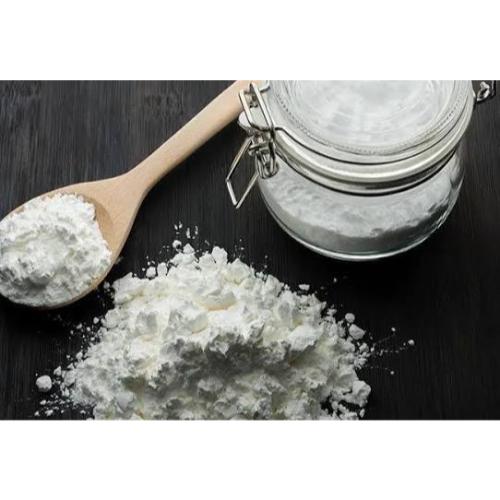
Versatile Food AdditiveMaltodextrin Food Grade is highly valued for its adaptability across numerous food applications. Thanks to its neutral profile and powder form, it dissolves easily and mixes seamlessly with other ingredients, making it an important component in formulations where texture and appearance are crucial without introducing additional flavors.
Quality and Safety FirstOur maltodextrin is processed in accordance with stringent industry standards, ensuring both purity and food safety. As trusted exporters, suppliers, and traders, we focus on consistent quality so clients can confidently incorporate this food-grade product into their manufacturing processes.
FAQ's of Maltodextrin Food grade:
Q: What is maltodextrin food grade used for in the food industry?
A: Maltodextrin food grade is commonly used as a thickener, filler, or preservative in different food products. It helps improve texture and volume without affecting the taste or smell of the final product.
Q: How is maltodextrin processed to achieve its powder form?
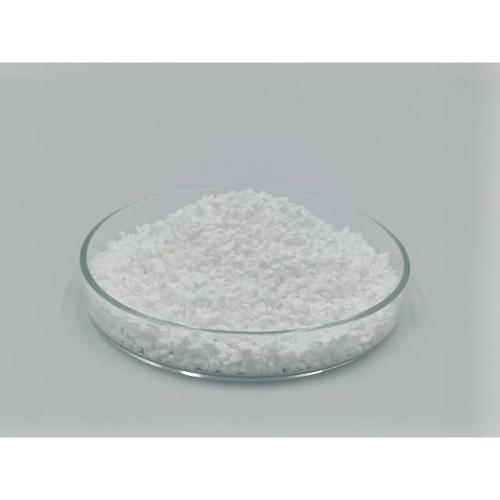
A: Maltodextrin is produced by hydrolyzing starch, usually from corn or potatoes, and then purifying and drying it to create a fine, white powder that is both odorless and readily soluble.
Q: Where is maltodextrin commonly utilized in manufacturing?
A: Maltodextrin is widely used in the production of processed foods, beverages, confectionery, and instant products due to its ability to blend smoothly and enhance product stability.
Q: What are the benefits of using maltodextrin food grade?
A: The primary advantages of using maltodextrin food grade include improved product texture, greater shelf life, easy solubility, and its versatility as it does not alter the color or flavor profile of the final product.
Q: When should maltodextrin be added during food processing?
A: Maltodextrin is typically added during the mixing or blending stage of product manufacturing to ensure it is thoroughly integrated for optimal texture and stability.
Q: How does the taste and smell of maltodextrin affect food products?
A: Maltodextrin is virtually odorless and has a slightly salty and sharp smell in its raw form, but it is designed to not impart any unwanted flavors or aromas to food products.




 Send Inquiry


 Send Inquiry
 Send Inquiry
