About Epoxyethane (Ethylene Oxide)
We are a specialized company in innovation, production, and distribution of agricultural chemicals, industrial chemicals, food chemicals, inorganic chemicals, mining chemicals and organic chemicals
1. 100+ food/feed ingredients. 2. 138 food ingredients formulas. 3. 5 invested factories to ensure excellent quality and stable supply. 4. 2 labs with 30 technicians to provide formulas and technical support. 5. 5 warehouses covering an area of 5,000 square meters to ensure competitive prices.
Industrial Applications and BenefitsEpoxyethane is vital in the production of chemicals, solvents, detergents, and as a sterilizing agent in the healthcare sector. Its high reactivity and solubility make it versatile and efficient for industrial-grade applications. Used in the synthesis of ethylene glycol, it also serves in fumigation and sterilization processes, making environments safer and products cleaner.
Safe Storage and Handling GuidelinesTo maintain stability, Epoxyethane must be stored in airtight containers, away from sources of heat or moisture. Proper labeling and secure packaging, such as sealed bags, prevent accidental exposure. Ensure storage complies with regulatory and safety guidelines, including UN 1040 classification, and always follow established procedures to minimize hazards.
FAQ's of Epoxyethane (Ethylene Oxide):
Q: How should Epoxyethane (Ethylene Oxide) be stored to ensure maximum shelf life and safety?
A: Epoxyethane should be stored in airtight, sealed containers in a cool, dry place away from heat sources and moisture. Keeping it away from incompatible substances such as acids, bases, and oxidizing agents is essential for safety. Properly stored, it maintains stability and effectiveness for up to one year.
Q: What are the main industrial uses and benefits of Epoxyethane?
A: Epoxyethane is widely used for industrial chemical synthesis, particularly in the manufacture of ethylene glycol, detergents, and solvents. Its effectiveness as a sterilizing and fumigating agent makes it valuable for disinfection in healthcare and food safety applications, providing both efficiency and reliability.
Q: When is Epoxyethane considered hazardous, and what are the principal risks associated with handling it?
A: Epoxyethane is hazardous due to its high flammability, carcinogenicity, and mutagenic potential. It poses ignition risks at temperatures as low as -18C (flash point), can be poisonous, and requires careful handling to avoid environmental contamination. Always follow appropriate safety protocols and regulatory guidelines.
Q: Where can Epoxyethane be used, and who typically handles this chemical?
A: Epoxyethane is primarily used in industrial environments by trained professionals in chemical synthesis facilities, sterilization operations, and manufacturing plants. Due to its hazardous nature, only qualified personnel with appropriate equipment should work with it.
Q: What is the process for safely disposing of Epoxyethane?
A: Disposal of Epoxyethane must follow environmental and regulatory requirements. It should be collected as hazardous waste and managed by certified disposal services to prevent soil and water contamination. Never release it into the environment or drains.
Q: How does the appearance and form of Epoxyethane contribute to its handling and usage?
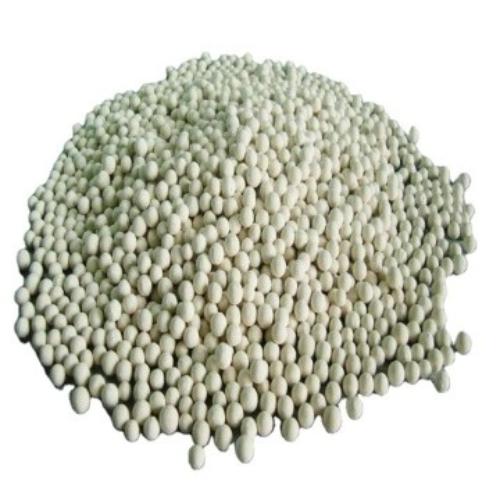
A: Epoxyethane is supplied as white, uniform spherical granules, which minimizes dust formation and allows for easier and safer handling during transport, storage, and application. The granular form also supports accurate dosing in various industrial processes.




 Send Inquiry


 Send Inquiry
 Send Inquiry
