About Chlorine Chemical
We are a specialized company in innovation, production, and distribution of agricultural chemicals, industrial chemicals, food chemicals, inorganic chemicals, mining chemicals and organic chemicals
1. 100+ food/feed ingredients. 2. 138 food ingredients formulas. 3. 5 invested factories to ensure excellent quality and stable supply. 4. 2 labs with 30 technicians to provide formulas and technical support. 5. 5 warehouses covering an area of 5,000 square meters to ensure competitive prices.
Superior Disinfection PropertiesChlorine is widely recognized for its powerful disinfecting abilities, making it indispensable in water treatment plants worldwide. Its high reactivity enables rapid elimination of bacteria, viruses, and other harmful microorganisms, ensuring safe drinking water. Beyond water purification, chlorine acts as a bleaching agent in paper and textile industries, and also plays a key role in the synthesis of numerous chemicals.
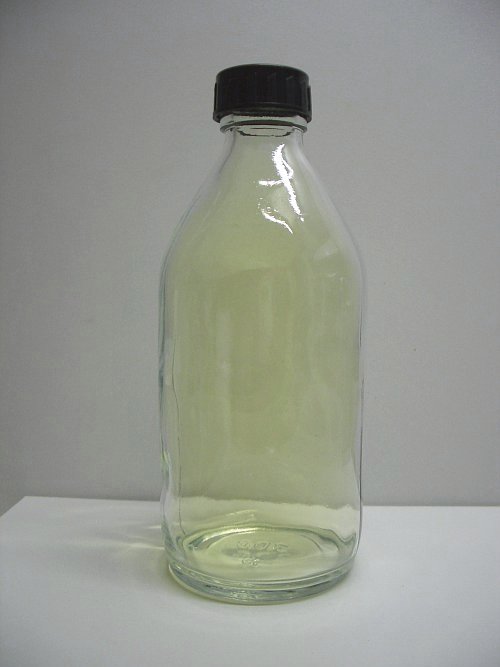
Safe Handling and Storage GuidelinesGiven chlorine's toxic and oxidizing nature, stringent safety protocols must be observed. Store it in certified steel cylinders or glass bottles at room temperature and keep areas well-ventilated. Ensure all personnel use proper protective equipment and are trained in emergency procedures, including first aid and evacuation in case of leaks or exposure.
FAQ's of Chlorine Chemical:
Q: How is chlorine gas commonly used in industry?
A: Chlorine gas is extensively used for water treatment and disinfection, bleaching in the textile and paper industries, and as a raw material or intermediate in chemical manufacturing processes.
Q: What safety measures should be taken when handling chlorine gas?
A: Always handle chlorine gas in well-ventilated areas using appropriate protective gear. Follow hazmat protocols, secure storage in steel cylinders or glass bottles, and ensure immediate first aid for inhalation exposure-move affected persons to fresh air and seek medical help.
Q: When is chlorine most reactive and what are its main hazards?
A: Chlorine is highly reactive at all temperatures, particularly as a strong oxidizer. Its main hazards include toxicity by inhalation and support of combustion even though it is non-flammable itself.
Q: Where should chlorine gas be stored for maximum safety?
A: Chlorine should be stored at room temperature in certified, sealed steel cylinders or glass bottles placed in well-ventilated, secure areas away from heat sources and incompatible materials.
Q: What is the process for transporting chlorine gas safely?
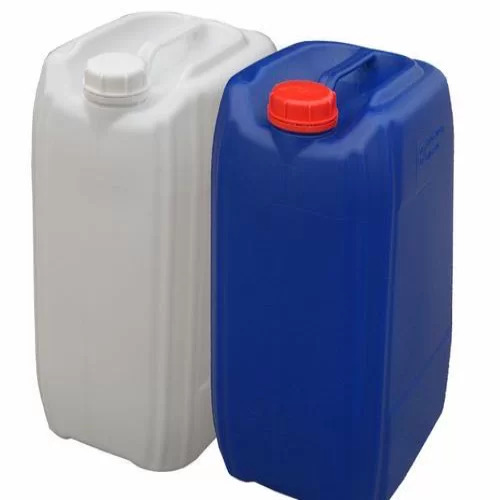
A: Transport chlorine gas in compliance with hazardous material regulations, using approved containers, proper labeling, and ensuring that personnel are trained in emergency response and spill containment procedures.
Q: How does chlorine benefit water treatment applications?
A: Chlorine's potent disinfecting action swiftly neutralizes pathogens in water, making it crucial for producing safe drinking water and maintaining public health standards.
Q: What environmental precautions are necessary due to chlorine's reactivity and toxicity?
A: Prevent chlorine releases into the environment, as it poses significant risks to aquatic life. Use containment measures, and comply with all relevant local, national, and international regulations to mitigate ecological impact.




 Send Inquiry


 Send Inquiry
 Send Inquiry
